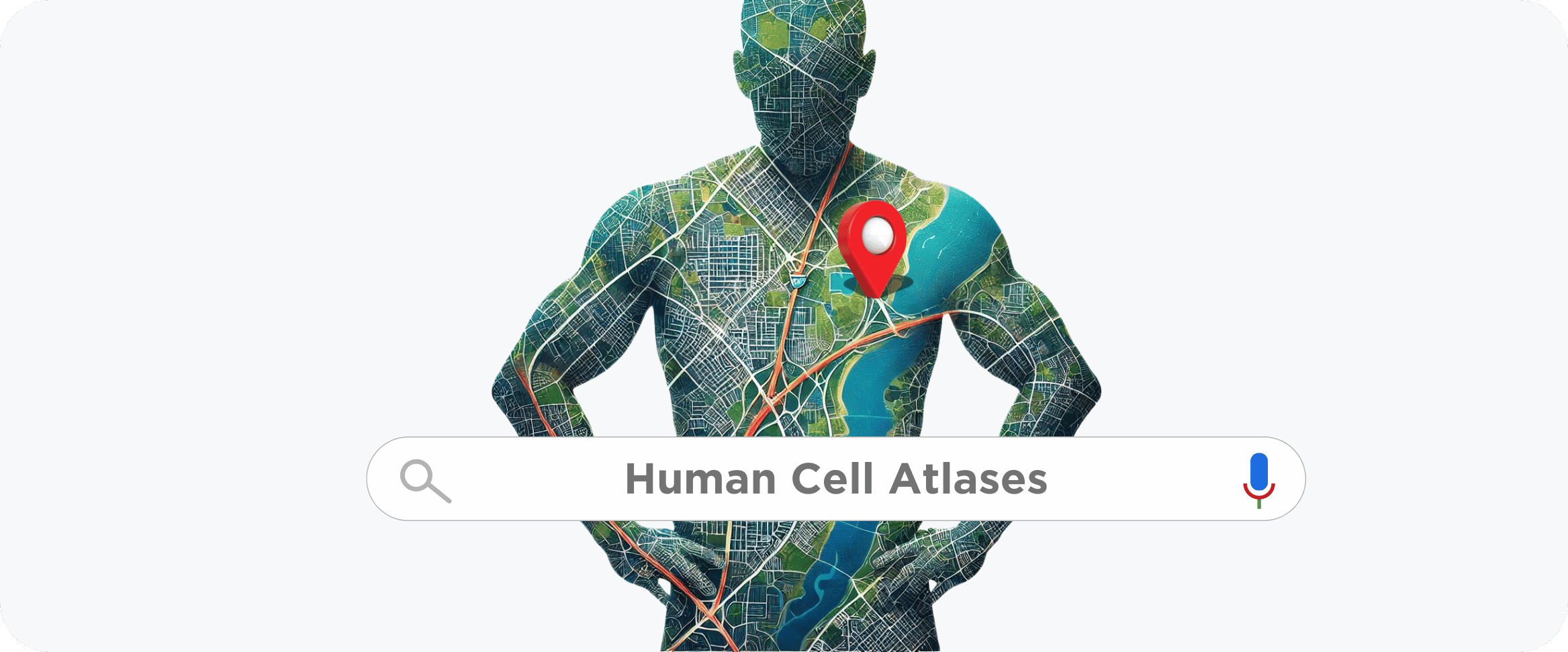
The Google Maps of Human Biology
Discover how building cell atlases parallels Google Maps - transforming scattered cellular data into integrated, navigable maps for drug discovery.

Just as Google Maps converts raw satellite images into navigable maps, building cell atlases transforms single-cell data into comprehensive biological maps. Each step from data collection through integration, annotation, and modeling mirrors how satellite images become roads and landmarks. Ultimately, these atlases guide researchers through cellular complexity, aiding target identification and accelerating drug discovery.
The Human Cell Atlas: A Global Effort in Cellular Mapping
An exemplary initiative in the quest to build comprehensive cell atlases is the Human Cell Atlas (HCA) project. Launched in 2016, the HCA is a collaborative effort involving scientists, clinicians, and technologists from around the world. Its ambitious goal is to create a reference map of all human cells - the fundamental units of life - to advance our understanding of biology and medicine.
By systematically cataloging cell types, states, and their functions across different tissues and organs, the HCA aims to transform research in health and disease. The project leverages advanced single-cell and spatial genomics technologies to profile millions of individual cells. This massive undertaking parallels how Google Maps compiles diverse geospatial data to create a detailed and navigable map of the world.
The HCA not only provides insights into normal human biology but also serves as a foundation for understanding what goes wrong in diseases, paving the way for novel diagnostics and therapies. For more information about the Human Cell Atlas and its progress, explore Nature's interactive feature: The Human Cell Atlas.
Phase 1: Data Collection
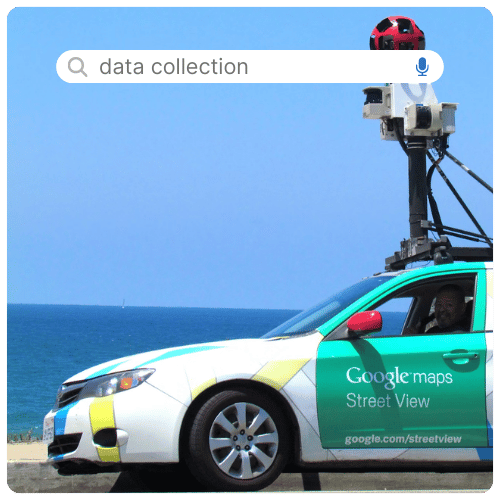
Google Maps: Collecting Diverse Geospatial Data
Google Maps began by amassing vast amounts of geospatial data from multiple sources, including satellite imagery, street-level photographs, aerial views, and user-contributed information. This extensive data collection is crucial for providing accurate and detailed maps that users rely on for navigation, exploration, and location-based services.
Building Cell Atlases: Generating Single-Cell Datasets from Diverse Tissues
Creating a cell atlas starts with generating comprehensive single-cell datasets. Researchers isolate individual cells from tissues such as the brain, heart, or immune system and profile their molecular characteristics. This extensive data collection mirrors how Google Maps gathers geospatial information to form a detailed global map. To fully represent human cellular diversity, cell atlases must incorporate samples from multiple donors, developmental stages, and conditions. Managing data quality and volume is a major challenge, because high-throughput technologies produce massive datasets that must be accurate, reliable, and carefully curated.
Phase 2: Data Integration and Assembly
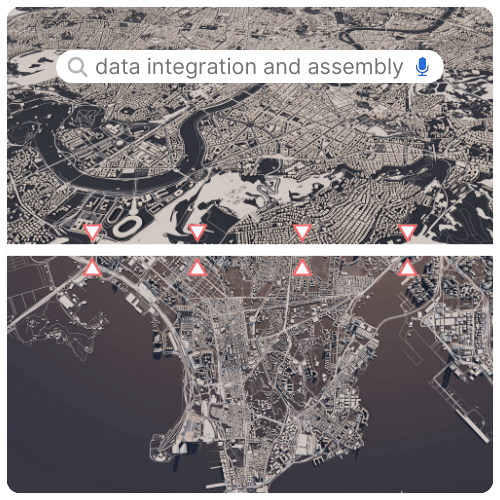
Google Maps: Stitching Data into a Unified View
After collecting data, Google Maps combines images from different sources and resolutions into a unified map. This involves correcting distortions, aligning overlapping images, and ensuring that the map is coherent and user-friendly across regions and zoom levels.
Building Cell Atlases: Integrating Datasets Across Batches and Studies
Just as Google Maps integrates diverse geospatial data into a coherent map, building a cell atlas involves merging datasets from multiple experiments, laboratories, and technologies to create a unified representation of cellular diversity. Technical variations, or batch effects, must be addressed using methods like Nygen, Harmony, or Seurat integration so the data reflect biological differences rather than experimental artifacts. As the number of datasets grows, scalability becomes essential for preserving meaningful biological signals.
Phase 3: Annotation and Context
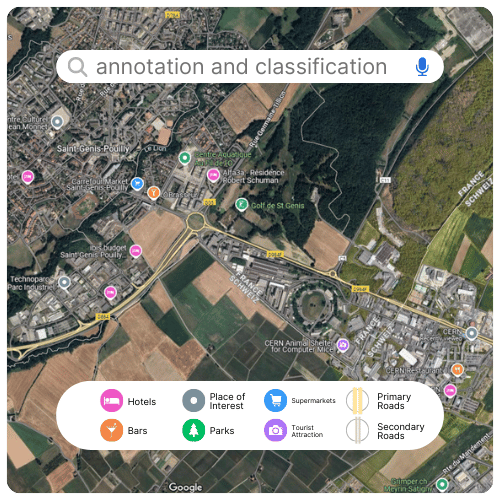
Google Maps: Adding Labels, Landmarks, and Meaning
Annotation transforms raw map data into a practical navigation tool. By identifying and labeling roads, buildings, landmarks, and businesses, Google Maps becomes more informative and useful to the people relying on it.
Building Cell Atlases: Annotating Cell Types, States, and Functions
In cell atlases, annotation means identifying and labeling cell types and states, turning raw data into a powerful resource for understanding human biology. Researchers rely on computational algorithms, expert input, and automated annotation tools like those offered by Nygen to classify cells efficiently and accurately. Much like how users contribute to Google Maps, community collaboration strengthens cell atlases as scientists share data, refine annotations, and expand the collective understanding of cellular diversity.
Phase 4: Functional Integration and Modeling
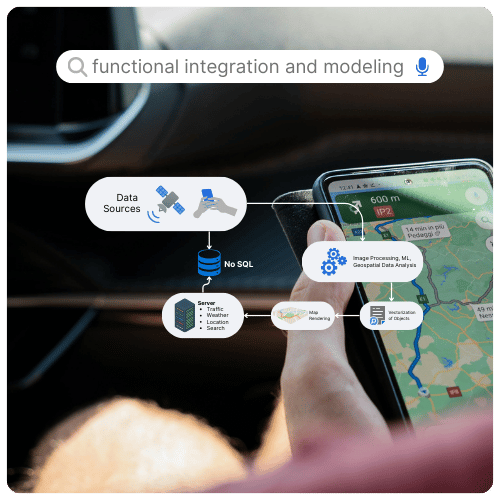
Google Maps: Integrating Real-Time Data for Navigation and Planning
By incorporating GPS data, traffic updates, public transit schedules, and user feedback, Google Maps offers dynamic navigation, real-time route optimization, and predictive travel information. This turns a static map into a system that responds to changing conditions.
Building Cell Atlases: Integrating Functional Data and Developing Predictive Models
In cell atlas work, integrating functional data such as signaling pathways and responses to stimuli transforms static maps of cellular states into dynamic models of behavior. By applying computational models, AI, and machine learning, researchers can predict how cells will act under different conditions, informing drug discovery and personalized medicine. Tools like Nygen Insights support this process by helping identify therapeutic targets and modeling disease-relevant cellular programs.
Phase 5: Democratization and Application
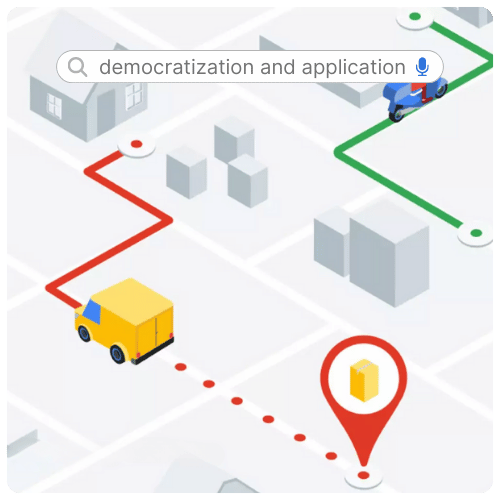
Google Maps: Broad Access Through Web, Mobile, and APIs
Google Maps democratized access to detailed geographic information by making it available through web platforms, mobile apps, and developer APIs. That broad accessibility enabled entire industries - from ride sharing to delivery logistics - to build on top of the map layer.
Building Cell Atlases: Broad Access for Research and Drug Discovery
Making cell atlases broadly accessible transforms them into shared resources for researchers, clinicians, pharmaceutical companies, and educators. Platforms like Nygen Analytics reduce the need for extensive bioinformatics expertise, making atlas-scale data more usable by a wider audience. Broader access accelerates collaboration, advances personalized medicine, and helps teams collectively identify drug targets and disease mechanisms.
Nygen's Role in Building and Using Cell Atlases
Nygen provides a cohesive platform that supports every stage of building and using cell atlases. Researchers can tackle data integration challenges with Nygen Analytics, smoothly merging and managing single-cell datasets while correcting for batch effects. Automated cell type annotation and interactive visualization tools streamline the classification of cellular populations, improving both the quality and speed of annotations.
Going beyond static maps, CyteType applies predictive models to uncover disease mechanisms and identify therapeutic targets. Meanwhile, the Nygen Database offers curated datasets for exploration and collaboration, and the platform's no-code design ensures that advanced analyses are accessible to scientists from a wide range of backgrounds.
A Google Maps-Inspired Way to Understand Human Biology
The analogy between Google Maps and building cell atlases highlights the steps involved in mapping both the physical world and the cellular landscape of the human body. Each phase - from data collection to democratization - parallels a major step in creating tools that help researchers navigate complex systems with confidence.
Cell atlases have the potential to transform biomedical research and healthcare by providing comprehensive maps of human cells. Platforms like Nygen help make that possible by simplifying data integration, annotation, analysis, and accessibility.
Interested in exploring how cell atlases can transform your research? Learn more about how Nygen's technology supports atlas development and application in drug discovery.
Related articles
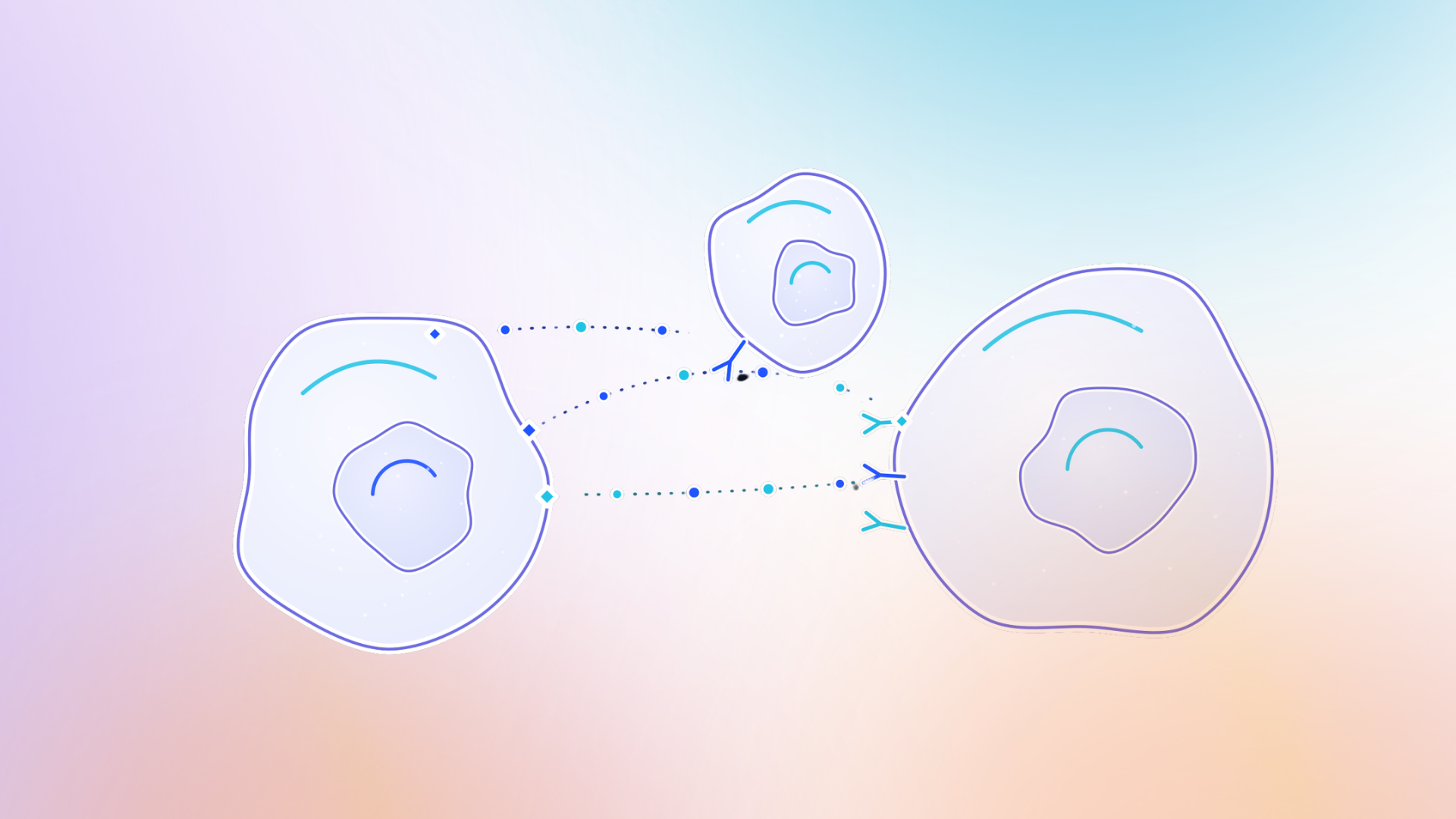
The biology in your ligand-receptor analysis, and how to read it
Ligand-receptor analysis is easy to run and easy to over-read. How to get cell-cell communication biology from the ranked table, with LIANA and ScarfWeb.
Read more →
Multi-Omics Data for Target ID in Drug Discovery
How human genetics, single-cell transcriptomics, chromatin accessibility and proteomics combine into causal, cell-resolved target evidence, where integration usually fails, and how to grade the result before a programme is committed.
Read more →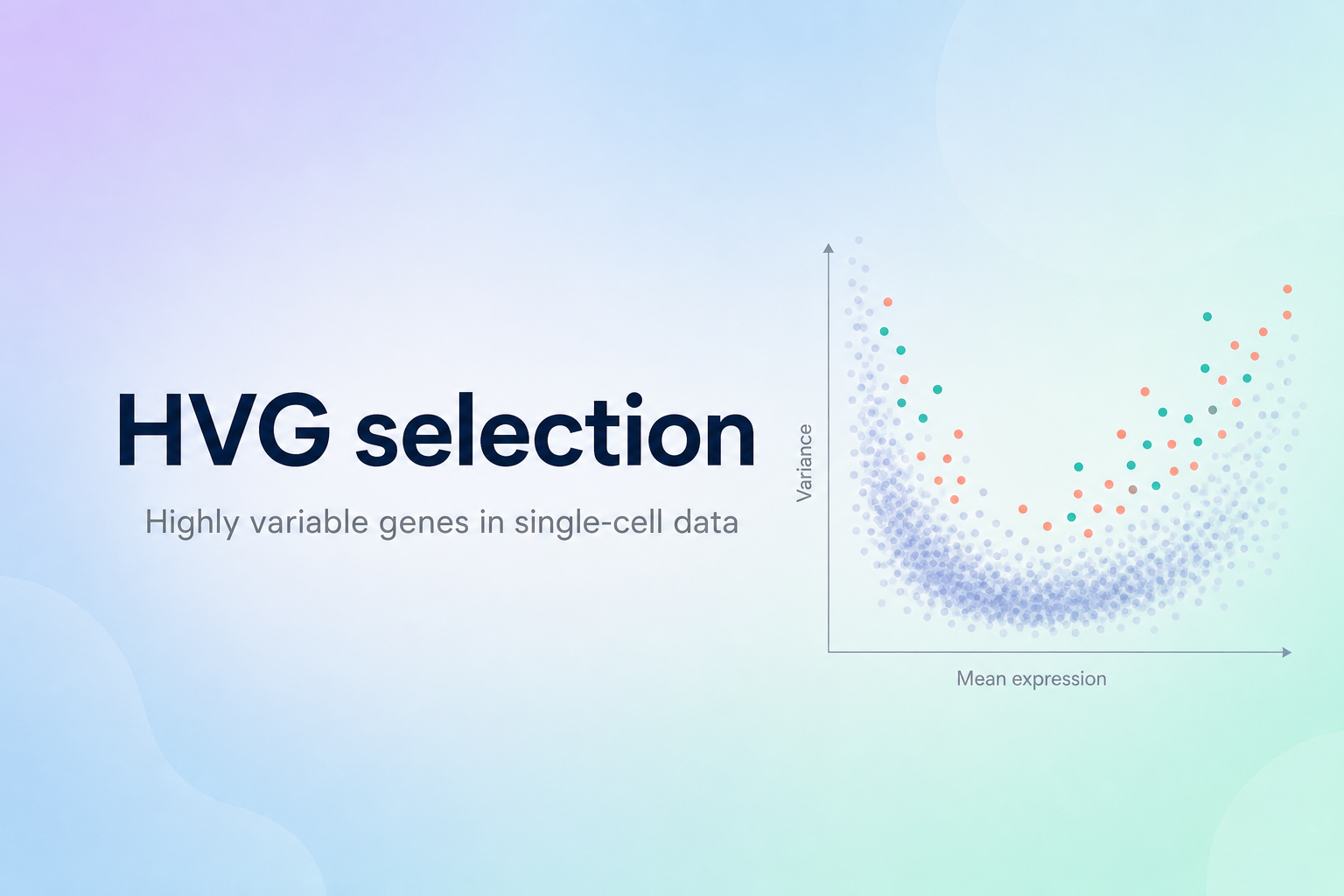
HVG selection
Learn how to select Highly Variable Genes (HVGs) in single-cell data, set corrected variance thresholds, and use custom blocklists to refine your analysis while ensuring meaningful cell heterogeneity.
Read more →