
The biology in your ligand-receptor analysis, and how to read it
Ligand-receptor analysis is easy to run and easy to over-read. How to get cell-cell communication biology from the ranked table, with LIANA and ScarfWeb.
Read more →A curated index of articles, updates, events, and published work across single-cell research.
Ligand-receptor analysis is easy to run and easy to over-read. How to get cell-cell communication biology from the ranked table, with LIANA and ScarfWeb.
Read more →
Cherry-picking in LLM cell annotation survives reference checks unlike hallucination. Learn why biased marker subsampling is the harder risk and how CyteType prevents it.
Read more →
Why we rebuilt CyteType as a structured AI workflow instead of an agent, and why that distinction matters for production cell annotation pipelines.
Read more →
Running CyteType's AI agents across thousands of single-cell RNA-seq datasets in production exposed run-to-run variance, selective evidence gathering, and inconsistent depth. We rebuilt cell type annotation as a structured LLM workflow for more reproducible, auditable results in drug discovery pipelines.
Read more →
How human genetics, single-cell transcriptomics, chromatin accessibility and proteomics combine into causal, cell-resolved target evidence, where integration usually fails, and how to grade the result before a programme is committed.
Read more →
An updated guide to the most useful public single-cell RNA-seq databases in 2026, including archives, curated discovery portals, and domain-specific atlases for data discovery and reuse.
Read more →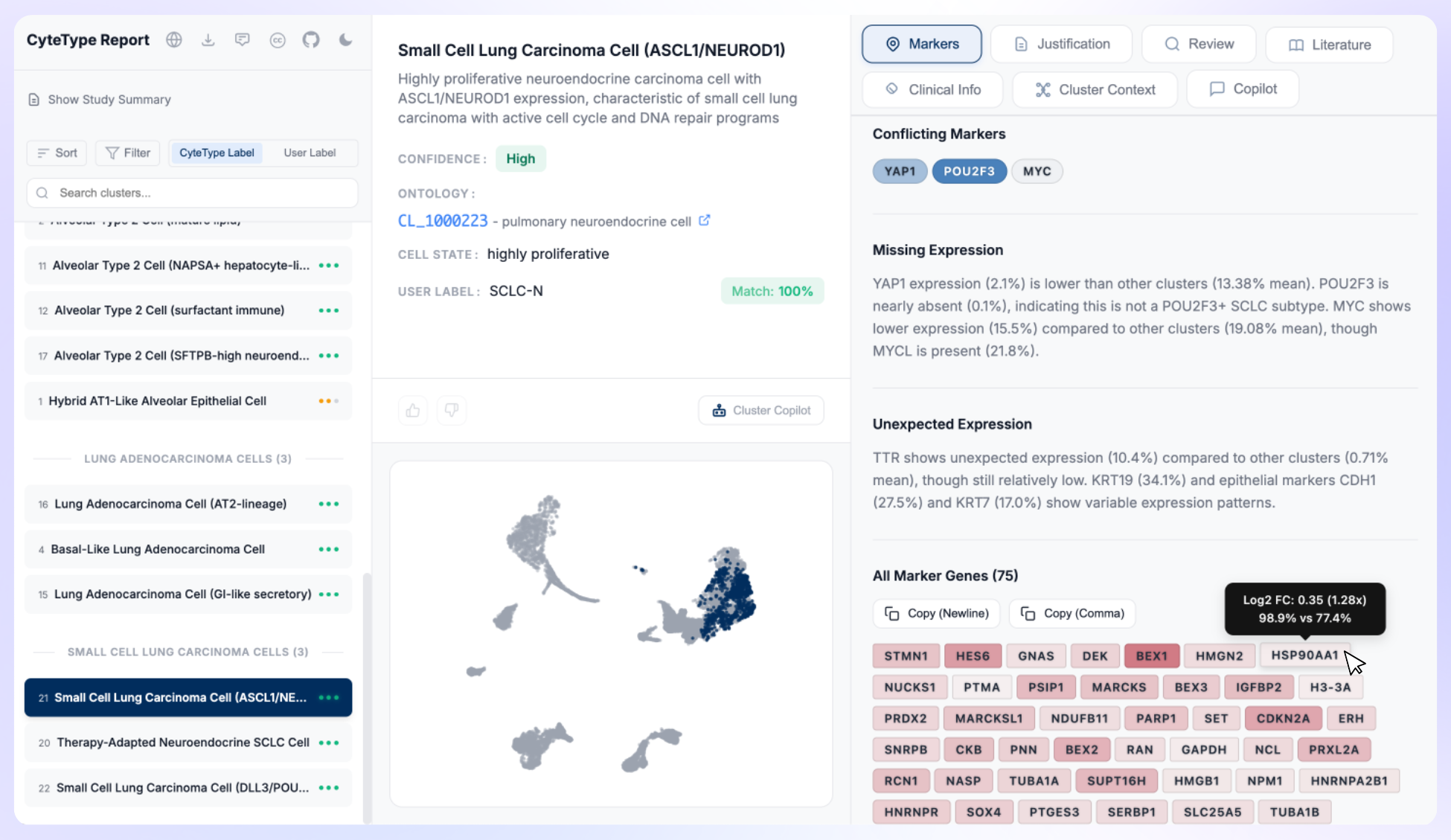
CyteType uses a five-agent AI framework for accurate cell type annotation in scRNA-seq data. Outperforms existing annotation methods by 388% over GPTCellType, 268% over CellTypist, and 101% over SingleR in benchmarking.
Read more →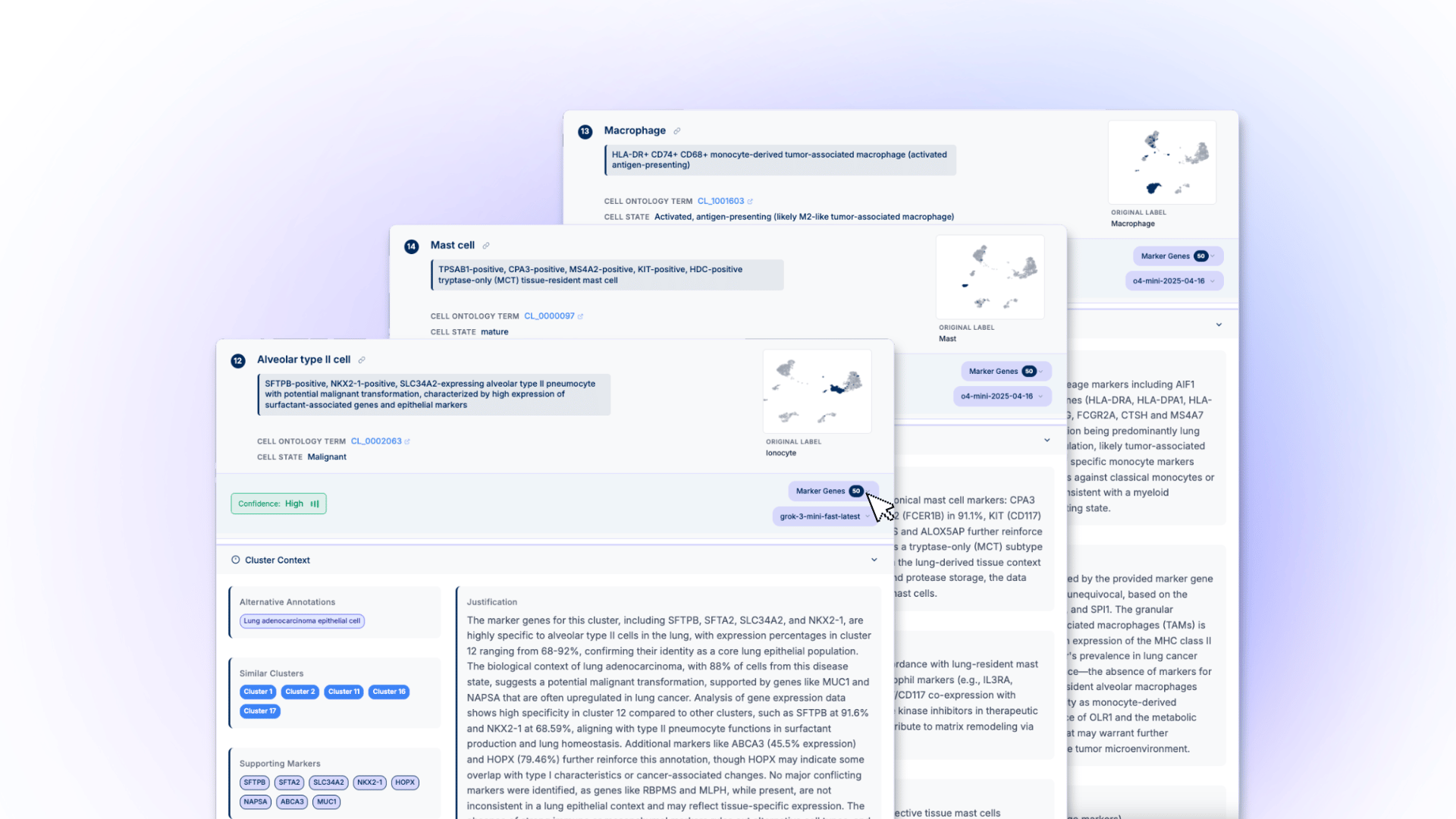
The original 2025 announcement of CyteType for single-cell RNA-seq cluster annotation. CyteType has since been rebuilt as a structured AI workflow for accurate cell type identification, literature validation, and pathway-level reasoning beyond traditional marker-based methods. Built for researchers seeking precise, evidence-backed single-cell data analysis with comprehensive biological context.
Read more →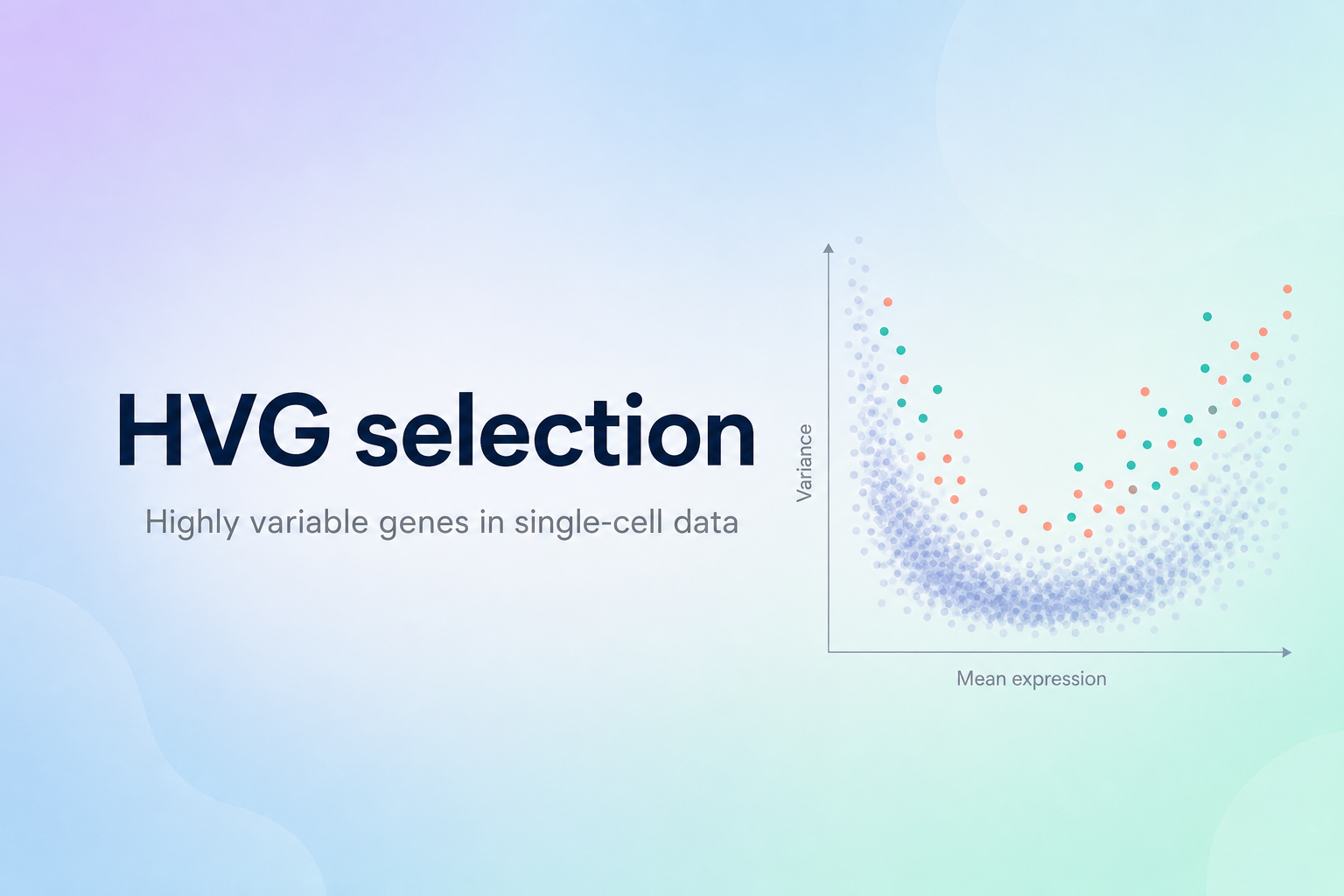
Learn how to select Highly Variable Genes (HVGs) in single-cell data, set corrected variance thresholds, and use custom blocklists to refine your analysis while ensuring meaningful cell heterogeneity.
Read more →
How to integrate spatial transcriptomics with scRNA-seq: when spatial context helps, the key integration methods, and worked tissue examples.
Read more →
The current state of spatial transcriptomics and scRNA-seq: single-cell-resolution platforms, foundation models for integration, spatial multi-omics, and 3D tissue atlases.
Read more →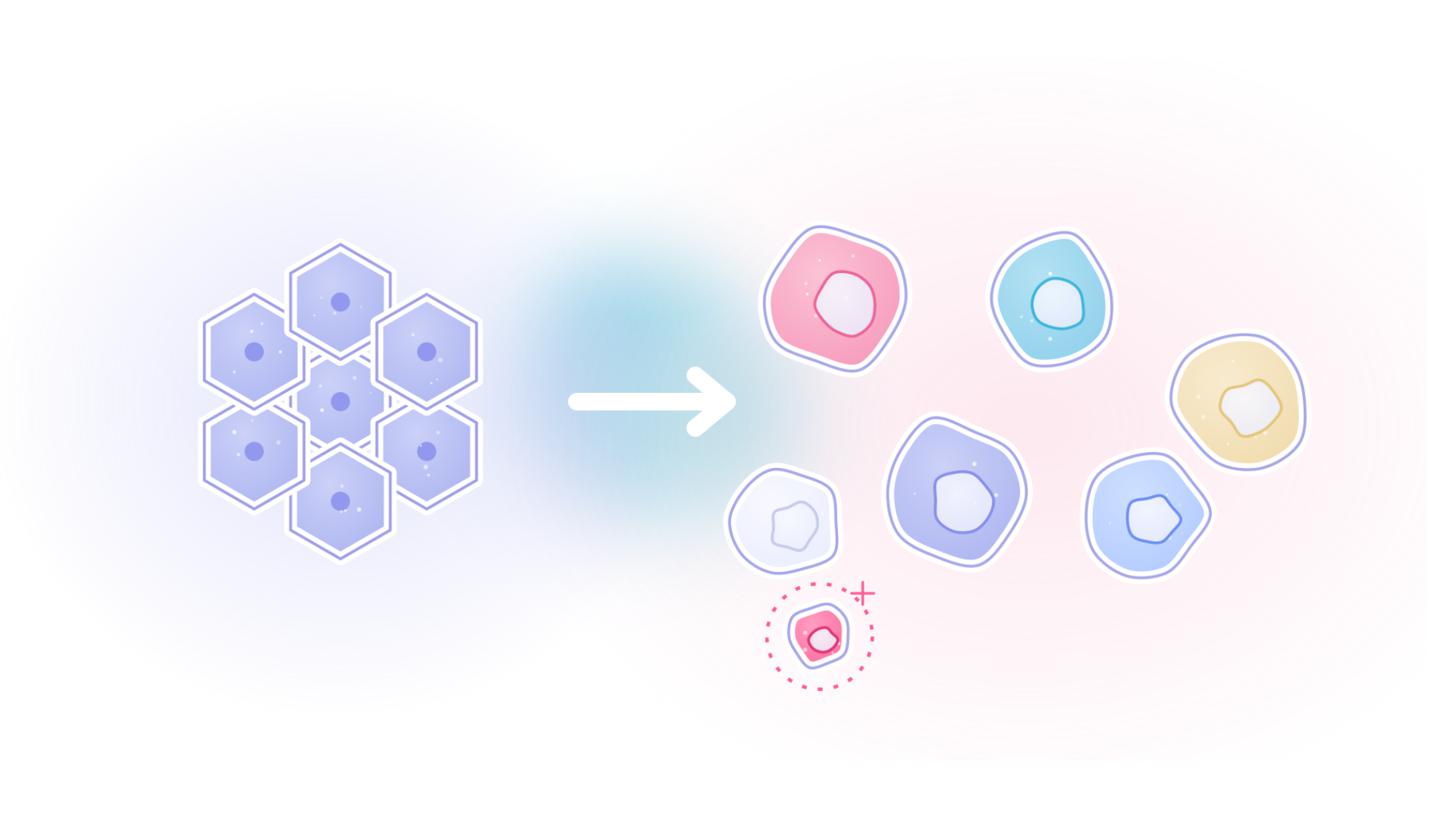
When is scRNA-seq enough on its own? A guide to its use cases, the workflow from clustering to cell type annotation, and when to add spatial data.
Read more →
Find marker genes in scRNA-seq without code using ScarfWeb. Step-by-step walkthrough from upload and QC through clustering, marker detection, pseudotime, and export.
Read more →
Uncover the essentials of marker gene identification in single-cell RNA sequencing. This article covers no-code solutions, methodologies, and case studies across various fields.
Read more →
Learn the essentials of designing robust single-cell RNA-seq experiments with our practical guide for wet-lab scientists. Covers sample preparation, controls, sequencing parameters, and analysis approaches, including how no-code platforms eliminate computational barriers.
Read more →