
No-Code Marker Gene Identification Workflow in ScarfWeb
Find marker genes in scRNA-seq without code using ScarfWeb. Step-by-step walkthrough from upload and QC through clustering, marker detection, pseudotime, and export.
Read more →A curated index of articles, updates, events, and published work across single-cell research.
Find marker genes in scRNA-seq without code using ScarfWeb. Step-by-step walkthrough from upload and QC through clustering, marker detection, pseudotime, and export.
Read more →
Hands-on single-cell data analysis course at UMH Alicante.
Read more →
Uncover the essentials of marker gene identification in single-cell RNA sequencing. This article covers no-code solutions, methodologies, and case studies across various fields.
Read more →
Accelerated single-cell data analysis course with Medical University of Graz.
Read more →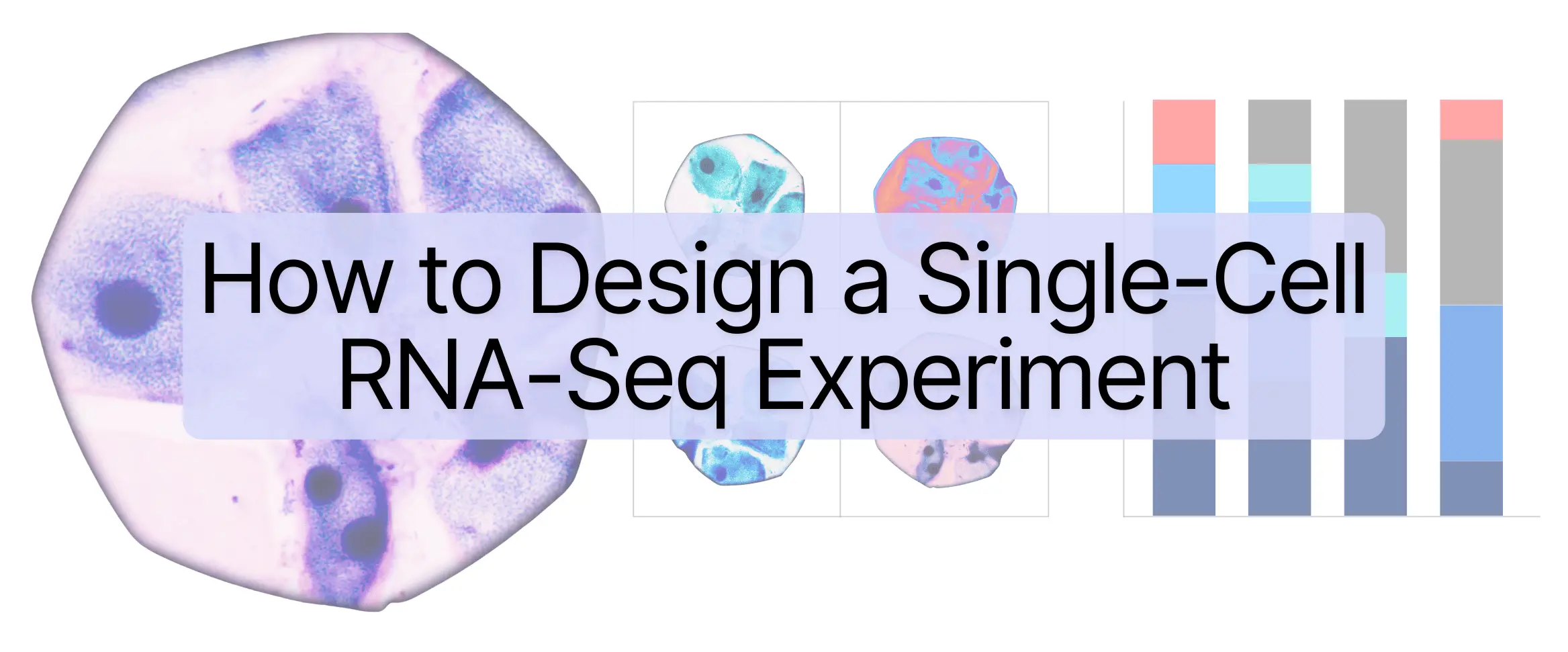
Learn the essentials of designing robust single-cell RNA-seq experiments with our practical guide for wet-lab scientists. Covers sample preparation, controls, sequencing parameters, and analysis approaches, including how no-code platforms eliminate computational barriers.
Read more →
Explore how ASI transforms drug discovery by harnessing domain-specific models and advanced computing tools for faster, smarter biomedical innovation.
Read more →
How to annotate scRNA-seq clusters in 2026: marker genes, reference mapping, supervised tools, and separating cell identity from cell state.
Read more →
Compare ScarfWeb, Loupe Browser, Trailmaker, Partek Flow, BBrowserX Pro, Omics Playground, Pluto Bio, and ROSALIND for scRNA-seq and multi-omics analysis in 2026.
Read more →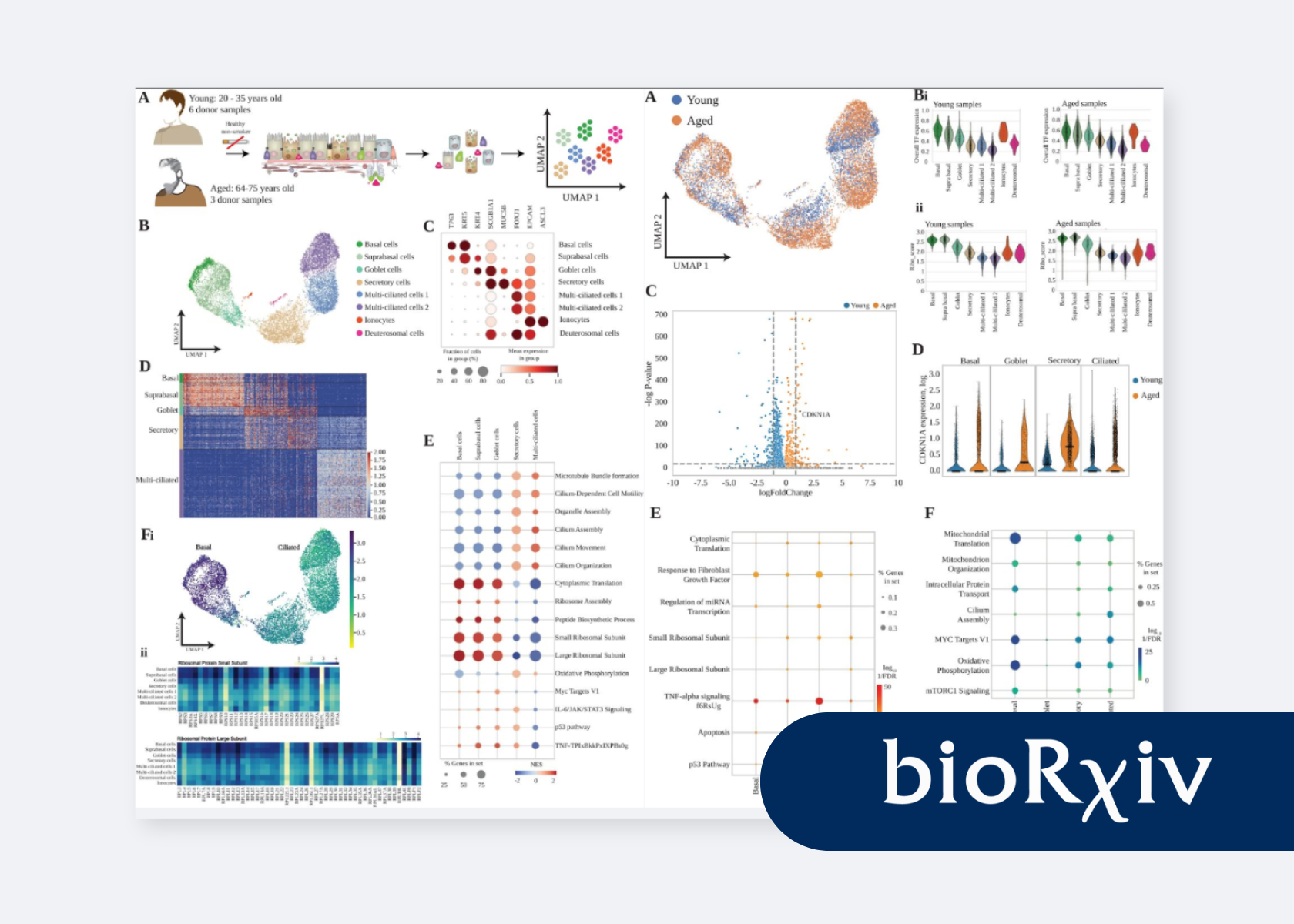
Pavan Prabhala et al. map the transcriptional landscape of human airway epithelium, identifying HLF as a key regulator.
Read paper →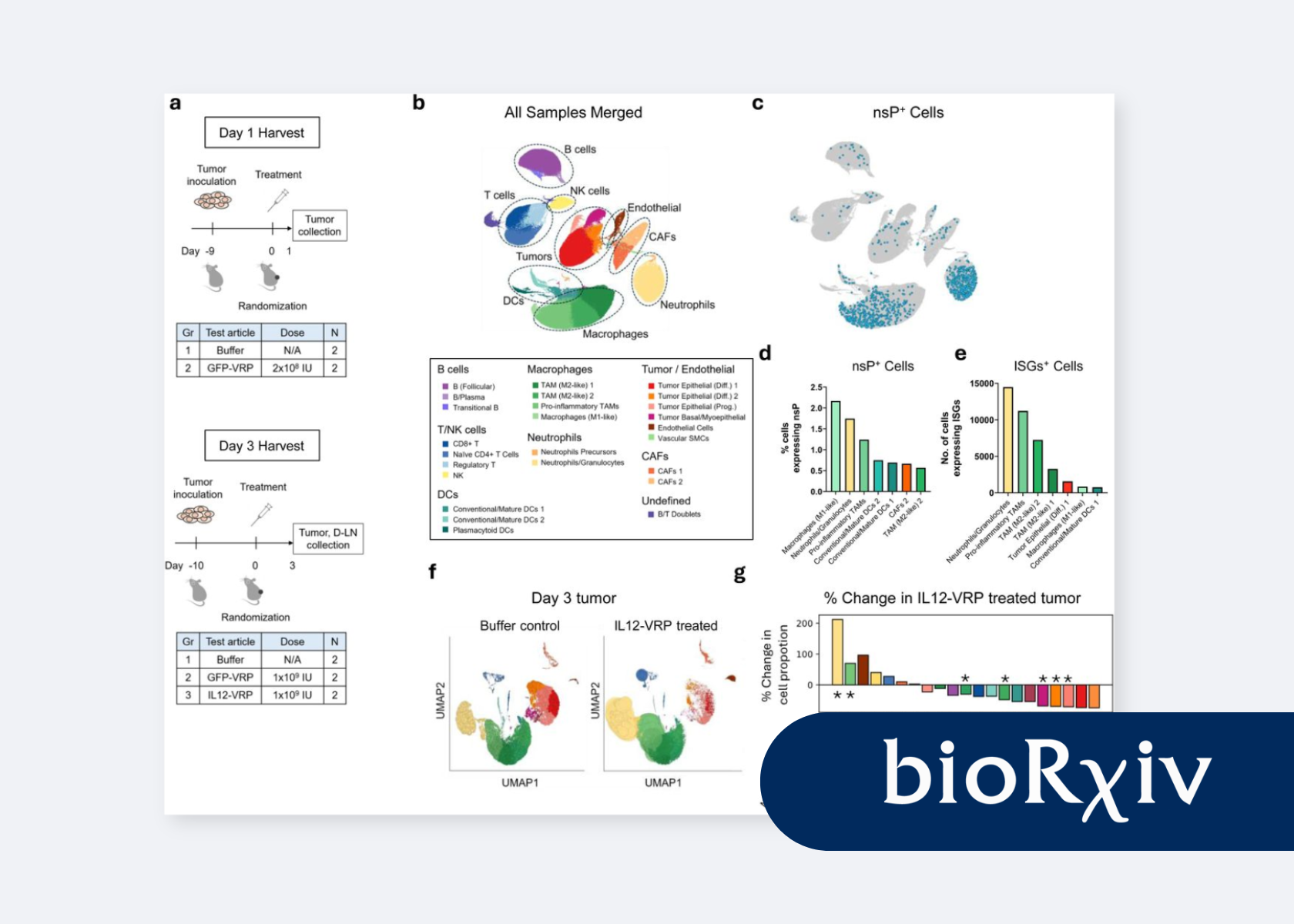
Momoko Ishikawa et al. show IL-12-expressing alphavirus particles reprogram tumor immune cells to induce anti-tumor responses.
Read paper →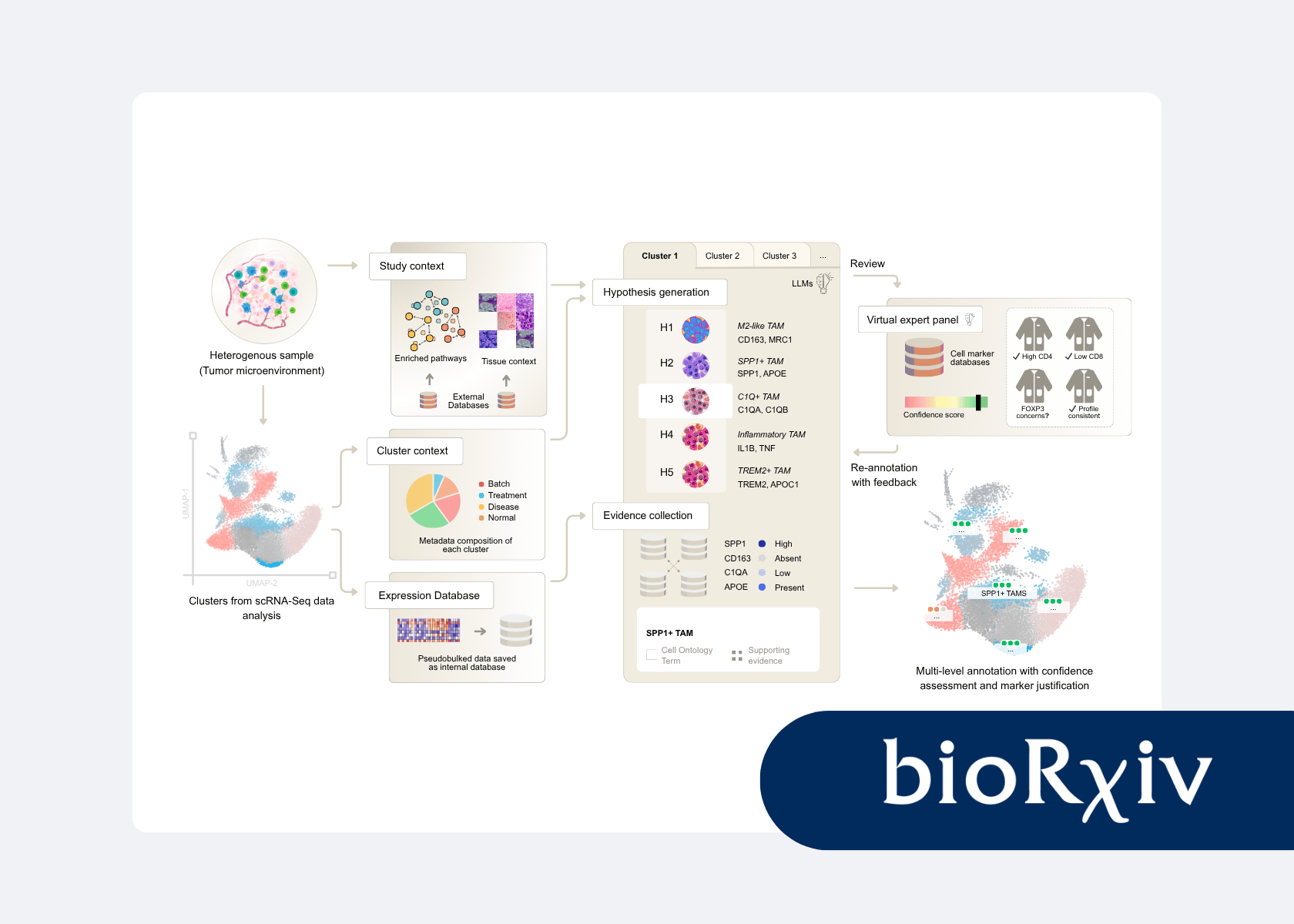
Gautam Ahuja et al. demonstrate how multi-agent AI systems enable evidence-based cell annotation in scRNA-seq data.
Read paper →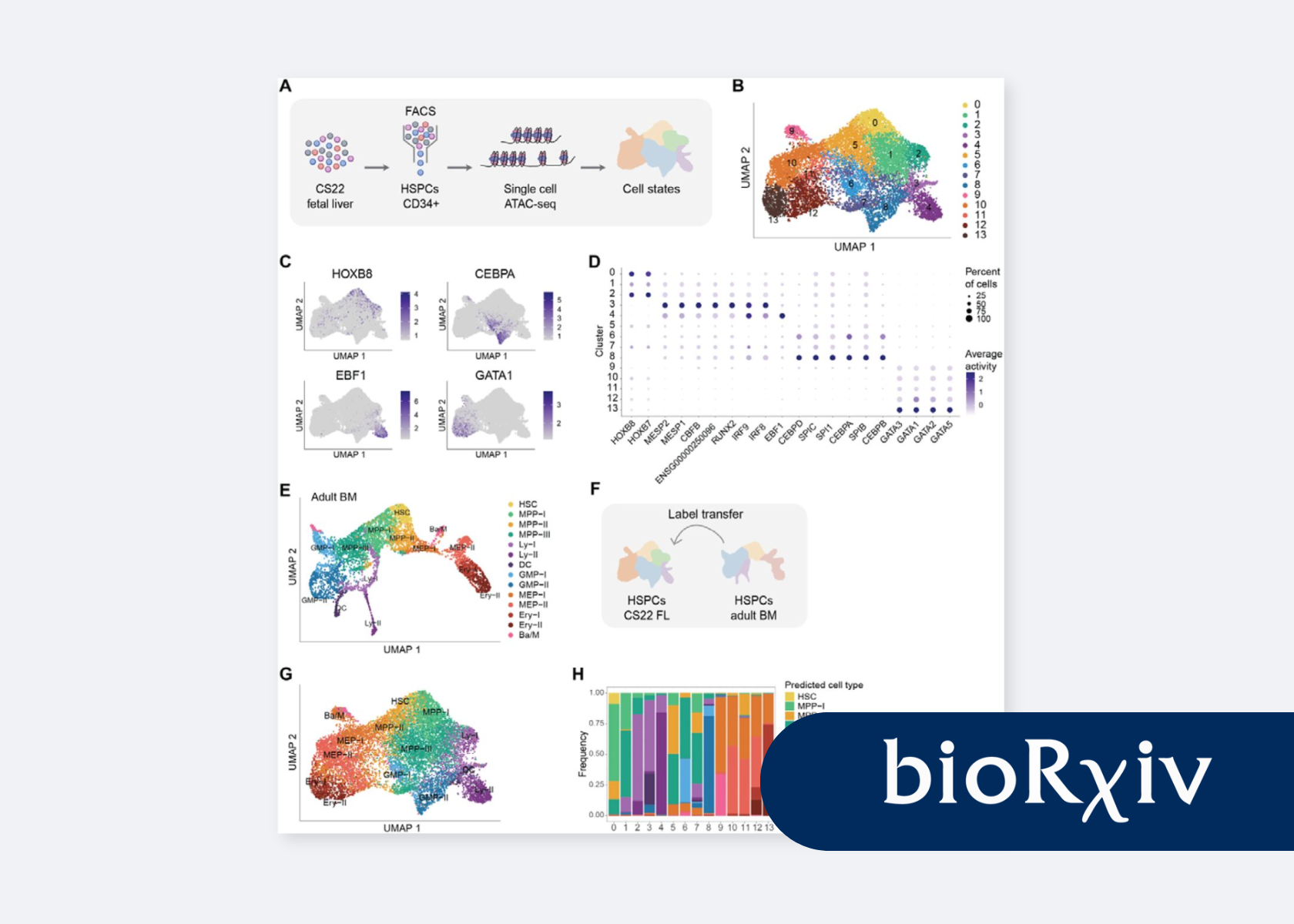
Sara Palo et al. reveal how chromatin accessibility patterns shape lineage plasticity during blood cell development.
Read paper →
Discover how building cell atlases parallels Google Maps - transforming scattered cellular data into integrated, navigable maps for drug discovery.
Read more →
Compare scRNA-seq normalization and batch correction methods, with current Seurat, Scanpy, Monocle 3, scran, Harmony, BBKNN and scVI workflows.
Read more →
Discover single-cell transcriptomics, a transformative technique for analyzing gene expression at the cellular level in biology and medicine.
Read more →